
Inclusive Professionalism in Medicine
As our working and learning environments become more diverse, it’s worth questioning which elements of “professionalism” are essential for competent and effective education and care, and which perpetuate gatekeeping, exclusion, and various forms of oppression. Watch a recording of a conversation with health professionals and educators examining the concept professionalism.

Moving from Harm to Healing in EDI, Medical Education, and Clinical Practice
Watch a recording for a conversation on reimagining conflict in medical education, clinical practice, leadership and EDI through restorative justice. This It Starts With Us session explores the possible limitations of retributive justice and the transformative potential of alternative conflict engagement practices.

Shaping Praxis: REDI’s Essential Book and Podcast List
Shaping Praxis is a curated collection of influential books and podcasts that have shaped the REDI team’s approach to justice, equity, diversity, inclusion, decolonization, and Indigenization. These pivotal works offer insights, tools, and inspiration for advancing meaningful change in education, medicine, healthcare, and beyond.

Explore REDI Picks during the Winter Break
Wrap up the year by unwinding with REDI Picks—a curated collection of readings, films, and music designed to deepen your understanding of EDI. Whether you’re exploring the resilience of Indigenous communities, the lived experiences of refugees, the narratives of individuals with invisible disabilities, or the powerful voices of Black authors, each selection offers a window into unique perspectives and histories.

Discrimination
Discrimination is conduct that imposes burdens, obligations, or disadvantages on, or limits access to, opportunities, benefits, and advantages for specific individuals or groups, as defined by the BC Human Rights Code. UBC’s Discrimination Policy (SC7) flows from and is interpreted in a manner consistent with the BC Human Rights Code.

We Are What We Eat: Digesting the Merits of Indigenous Food Systems & Sovereignty
Watch a recording for a conversation with Jared Williams – Qwustenuxun, an Indigenous Foods Educator from Quw’utsun (Cowichan Tribes). In this discussion, you will learn about Indigenous food sovereignty and security.

Conflict Engagement
The UBC Office of Equity and Inclusion’s Conflict Engagement Initiative defines conflict as “a difference that matters.” When conflict arises within a group or team, it can be either constructive or destructive. When destructive, it can create division, shut down communication, and lead to resentment. Recognizing the signs of destructive conflict is key to addressing and preventing them. Ultimately, conflict engagement skills encourage reframing conflict as constructive—a pathway to innovation and stronger relationships—rather than a recipe for division and blame.
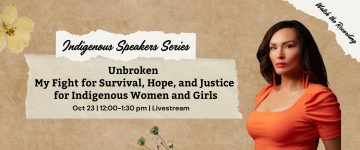
Unbroken: My Fight for Survival, Hope, and Justice for Indigenous Women and Girls
Watch a recording for a conversation with Angela Sterritt, an award-winning investigative journalist, TV, radio, and podcast host, and national bestselling author for her book Unbroken. Angela is from the Wilp Wiik’aax (we-GAK) of the Gitanmaax (GIT-in-max) community.

REDI Best Practices: Mitigating Cognitive Biases in Awards Adjudication
This tip sheet offers practical strategies to help committees mitigate conscious and unconscious cognitive biases, ensuring a fairer and more equitable awards decisions.

REDI Best Practices: Adjudicating Awards through an EDI lens
This tip sheet guides you in structuring and refining the awards process through an EDI lens. From encouraging diverse applications and nominations to creating transparent, bias-aware adjudication stages, it provides best practices to ensure fairness at every step.