
Research Voices from the Field with Kevin Eva
In this edition, Kevin Eva, Associate Director and Scientist in the Centre for Health Education Scholarship, and Professor and Director of Educational Research and Scholarship in the Department of Medicine, reflects on why he co-authored “Considerations of equity, diversity and inclusion in peer reviews conducted for Medical Education.”
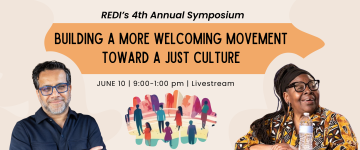
Building a More Welcoming Movement Toward a Just Culture
What motivates real cultural change? How can we create movements that feel hopeful and actionable? Watch a recording for REDI’s Fourth Annual Symposium to learn about evidence-based approaches in psychology, social change, and transformative education to creating lasting, inclusive change—grounded in science, compassion, and care.
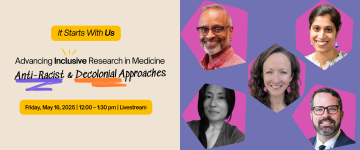
Advancing Inclusive Research in Medicine: Anti-Racist and Decolonial Approaches
Watch a recording for a discussion on how medical and health researchers can cultivate more reciprocal, collaborative, and inclusive research practices that are culturally sensitive, anti-racist, and welcoming to historically, systemically, and persistently marginalized (HSPM) communities.
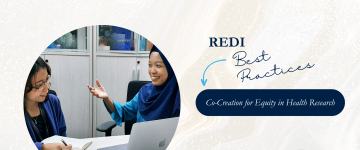
Co-Creation for Equity in Health Research
How can we make our research more equitable? This REDI Best Practice tip sheet introduces co-creation as a collaborative approach to research that centres the voices and priorities of marginalized and underserved communities and leads to more impactful and inclusive research.

Research Voices from the Field with Rabia Khan
In this edition, Rabia Khan, Scientist at the Centre for Health Education Scholarship and Assistant Professor in the Department of Pediatrics, reflects on why she co-authored “Constructing “Burnout”: A Critical Discourse Analysis of Burnout in Postgraduate Medical Education”, the first paper from her doctoral dissertation Dying to Stay Alive in Residency and Beyond, highlighting its relevance for policymakers, educators, leaders, and trainees.

Community Agreements for Guiding Conversations Among Diverse Participants
Whether you’re leading a discussion or participating, this tip sheet offers practical guidance for fostering respectful and inclusive discussions, especially when conversations touch on complex or sensitive topics. Adapted from radical inclusivity practices, these agreements help participants navigate power dynamics, listen mindfully, and engage with openness and empathy.

REDI Best Practices: Receiving Feedback Well
Feedback is essential for growth, yet receiving it gracefully—especially when it involves EDI—can be challenging. This tip sheet provides actionable strategies to overcome common barriers—such as defensiveness, emotional reactions, and binary thinking. It supports you in transforming difficult conversations into meaningful opportunities for personal reflection and professional growth.

Research Voices from the Field with Katherine Wisener
In this edition, Katherine Wisener, Associate Director, Faculty Development, reflects on why she co-authored “Upward Feedback: Exploring Learner Perspectives on Giving Feedback to their Teachers” and how it can be relevant to educators in medicine.

REDI Best Practices: Writing Inclusive Case Studies
Case studies shape how future clinicians understand patient care, but do they reflect the diversity of the people they will serve? This guide offers strategies for writing inclusive cases that challenge stereotypes, highlight systemic factors affecting health, and ensure all patients are seen as complex individuals. By integrating these principles, educators can foster more equitable and effective clinical learning.

Research Voices from the Field with Saleem Razack
Saleem Razack, Paediatric Intensivist, BC Children’s & REDI Senior Faculty Advisor, reflects on why he co-authored “Cutting Close to the Bone: Student Trauma, Free Speech, and Institutional Responsibility in Medical Education” and how it can be relevant to those in medicine, healthcare, and beyond.